Skip to content

Cart

Your cart is empty

Article: Work with a skilled farrier
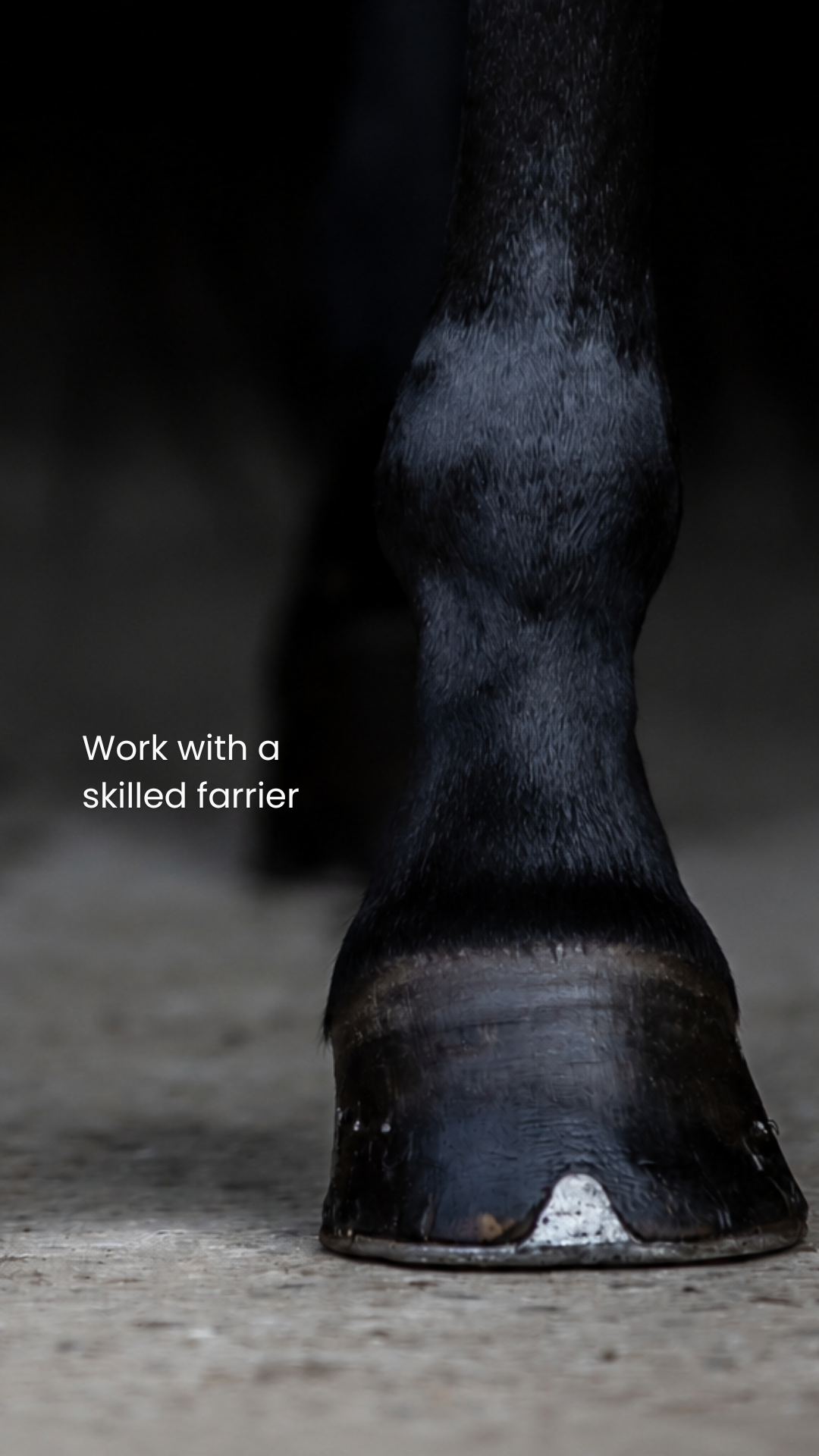
Work with a skilled farrier

Work with a skilled farrier

No hoof, no horse. It's one of the oldest sayings in the horse world, and for good reason. No matter how talented the rider, how expensive the equipment or how ambitious the training plan, everything starts with healthy, well-balanced feet.

The hoof is the foundation of every movement your horse makes. Every step. Every transition. Every jump. Every collected movement. And when the foundation isn't working properly, it affects the entire horse.

A skilled farrier does much more than trim and shoe. A good farrier helps maintain balance, supports healthy movement and can often spot small changes before they become bigger problems. Many riders spend a lot of time thinking about training schedules, saddle fit and nutrition. All important topics. But hoof care deserves just as much attention. Because a horse that is comfortable in its feet often finds it easier to move freely, stay balanced and perform at its best.

The best horse-and-rider teams are rarely built on one thing alone. They are built on many small details working together. And a good farrier is one of those details.

🤍 Mini challenge
The next time your farrier visits, take a few extra minutes to ask questions. What can you improve? How does your horse's hoof balance look? Is there anything you should pay attention to between visits?

The more you understand your horse's feet, the better equipped you'll be to support the rest of the horse.
TIP OF THE WEEK - HOW TO BECOME A BETTER RIDER

Work with a skilled farrier

Work with a skilled farrier

No hoof, no horse. It's one of the oldest sayings in the horse world, and for good reason. No matter how talented the rider, how expensive the equipment or how ambitious the training plan, everyth...

Read more
Enjoy the ride

Enjoy the ride

Enjoy the ride - If there is one thing that can make you a better rider, it might not be another exercise, a new training method or an extra lesson. It might simply be remembering why you started....

Read more
Transitions, Transitions, Transitions

Transitions, Transitions, Transitions

If there is one exercise that benefits almost every horse and rider, regardless of discipline, it is transitions. Simple on paper. Incredibly valuable in practice. Transitions improve balance, res...

Read more
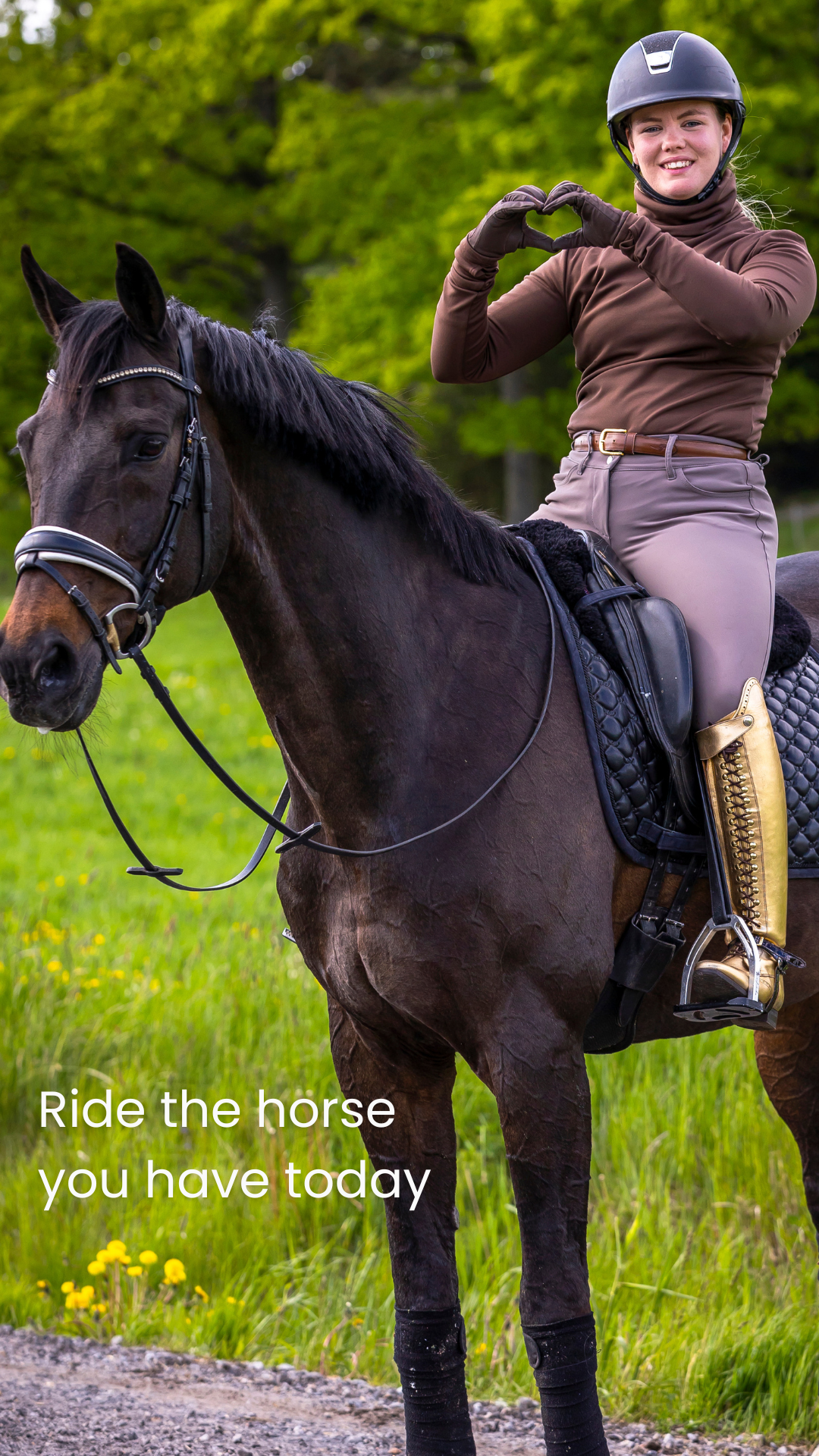
Ride the horse you have today

Ride the horse you have today

One of the most important lessons in horse riding is learning to ride the horse you have today, not the one you had yesterday. As riders, it’s easy to carry expectations into every ride. Maybe you...

Read more
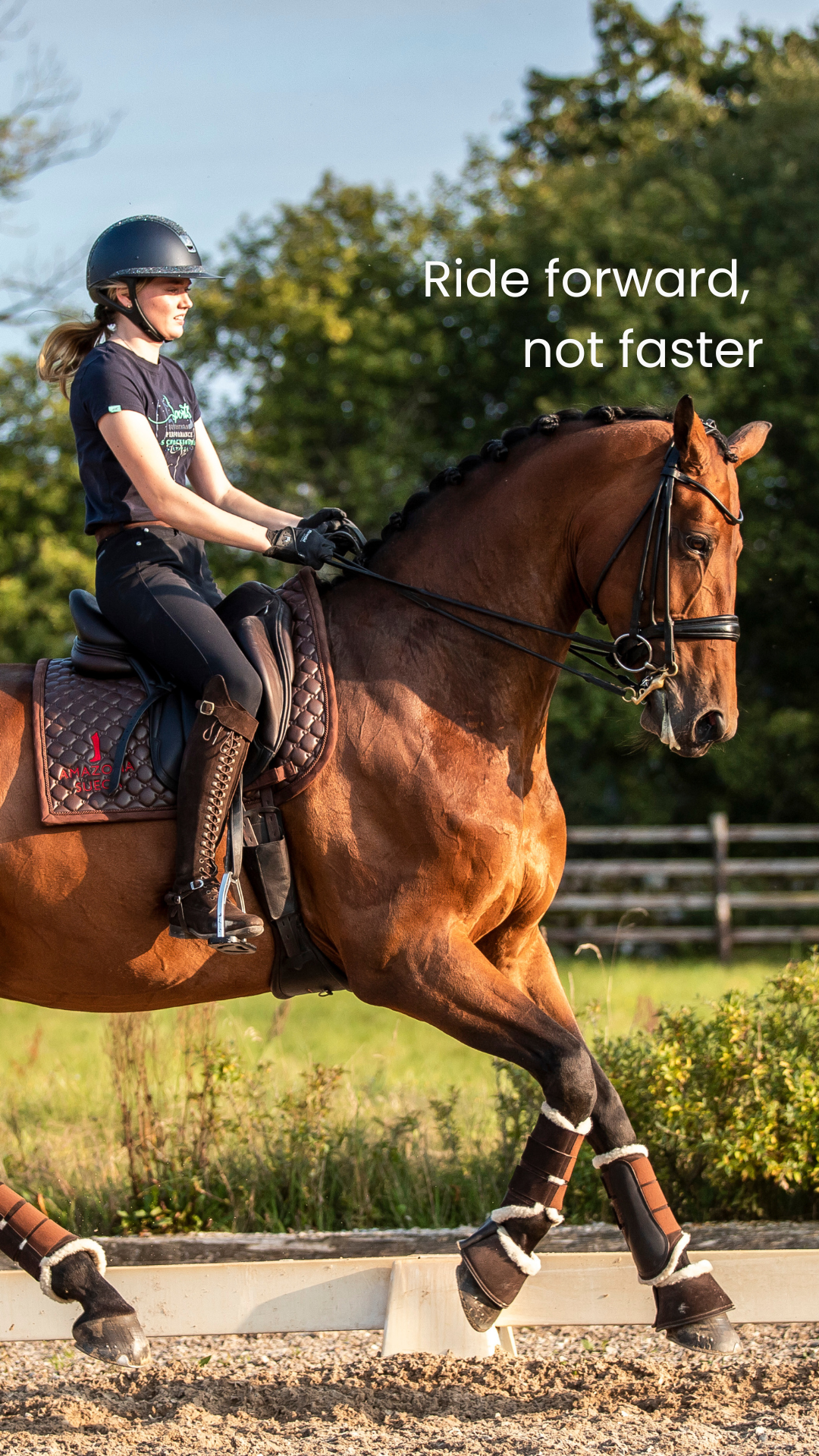
Ride forward, not faster

Ride forward, not faster

Many riders try to solve things by riding faster. More leg. More speed. More energy. But forward riding and rushing are not the same thing. A horse can move quickly without balance. And a horse ca...

Read more
Spend as much time as you can with your horse

Spend as much time as you can with your horse

Becoming a better rider isn't only about the hours spent riding. Some of the most important moments happen before and after you sit in the saddle. When you spend time with your horse outside traini...

Read more
Watch like a rider - not a spectator

Watch like a rider - not a spectator

Watching great riders is something most of us do. We scroll, we watch competitions, we follow our favourites - and often think: that looks so easy. But there’s a big difference between watching and...

Read more
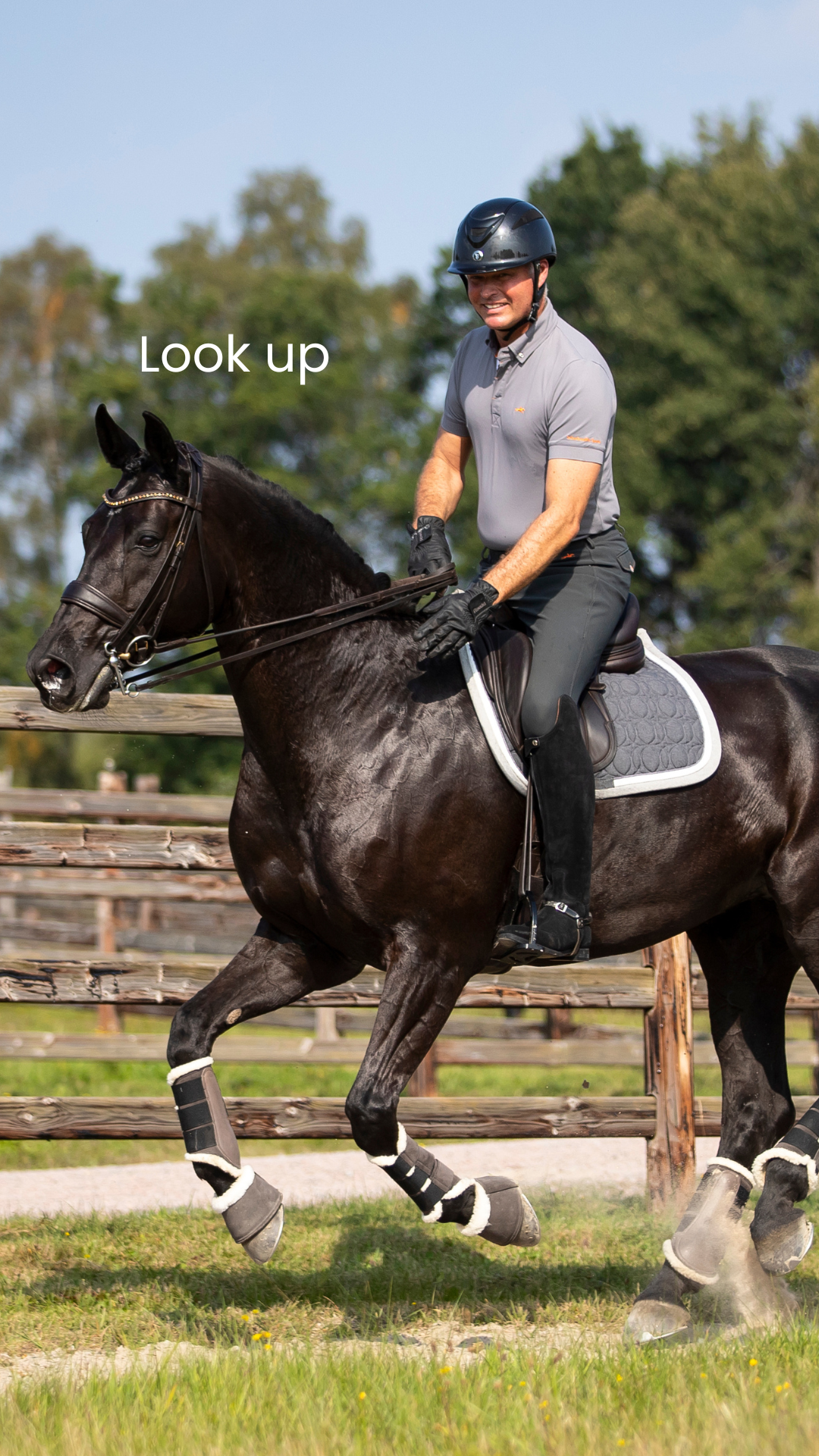
Look up – your body follows your eyes

Look up – your body follows your eyes

It sounds simple - but it makes a bigger difference than you might think. Where you look affects everything. When your eyes drop, even just slightly, your body follows.Your shoulders tip forward, ...

Read more
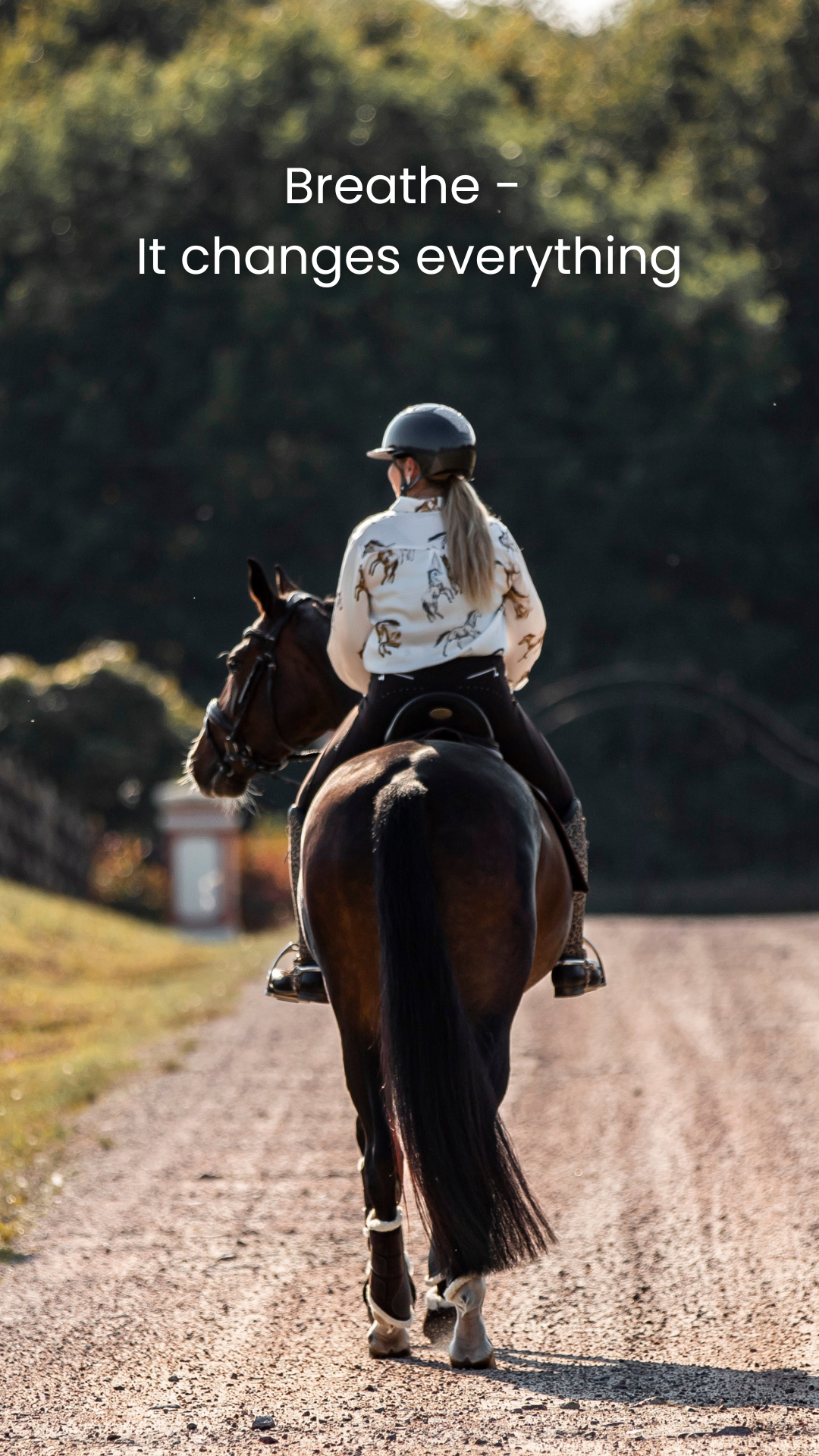
Breathe – it changes everything

Breathe – it changes everything

Riding isn’t just about what you do – it’s about how you feel while doing it.And one of the first things that changes when you feel pressure, nerves, or frustration is your breathing. It becomes s...

Read more